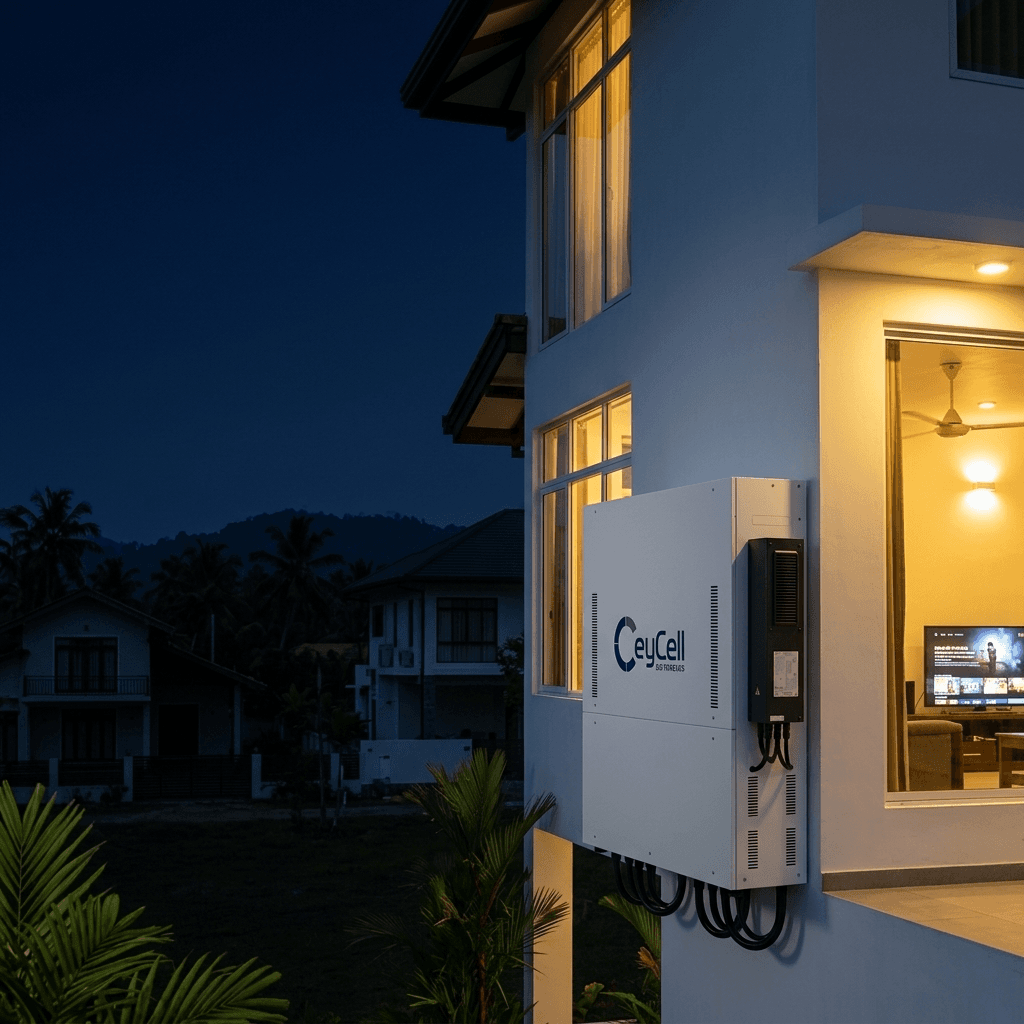
Safety
It is not a lithium battery. So it does not fail like one.
This is the first question most people ask. It deserves a plain answer. CeyCell stores energy as heat in a sealed chemical gel, not as charge in lithium cells. The material inside does not burn.
- Non-flammable
- Non-explosive
- Heat stable
- Fully sealed
- Tested by the University of Moratuwa
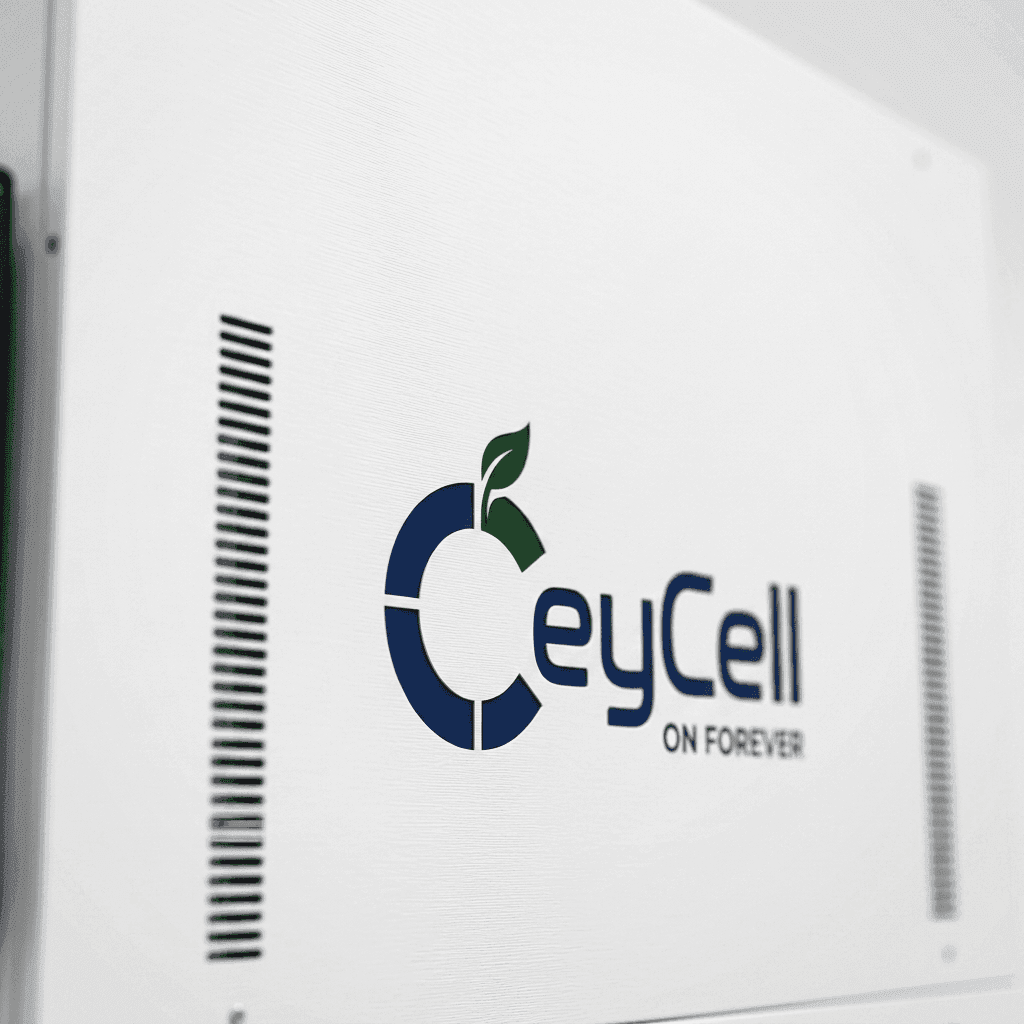
You have seen the news. It is a fair thing to worry about.
You are being asked to put a large battery in the same building where your family sleeps. The battery fires people have seen in the news are lithium fires. CeyCell is not lithium. It stores energy as heat in a sealed chemical gel, and that material does not burn. That is why the catalogue certifies it non-flammable, non-explosive and heat stable — a claim about the material itself. Separately, the University of Moratuwa tested the system, and it meets IEC 61427-1:2013, the international standard for batteries in off-grid solar use. That is a performance and endurance test, not a fire test. We keep the two apart on purpose.
How it is built
Seven safety features
These are the seven the catalogue lists, each in plain words. Open any one to see why it matters to you.
Fully sealed construction
The battery is closed off from your home. Nothing leaks in, and nothing leaks out.
Why this matters
A sealed unit keeps the working parts away from dust, damp, and curious hands.
Passive thermal management
It manages its own heat, without fans or pumps.
Why this matters
Nothing to fail and nothing to service. That is one less thing to go wrong over the years.
Non-flammable system design
The material inside does not burn. It is not a fuel.
Why this matters
The fire risk you have seen from lithium batteries does not apply here.
Non-explosive chemical configuration
It cannot build up pressure and burst.
Why this matters
No sudden failure, even under stress. It was tested for exactly this.
Over-discharge protection
The battery stops itself before it runs completely flat.
Why this matters
Running a battery flat damages it, so this is part of what makes it last.
Stable voltage output
It delivers a steady, consistent supply of power.
Why this matters
Your lights, fridge, and electronics get clean power, not a fluctuating one.
Engineered for continuous stationary operation
It is built to run in one place, all day, every day.
Why this matters
This is a fixed home or site battery, designed for years of continuous use.
Proof
Tested, not just claimed
We did not decide on our own that it is safe. Someone independent checked.
Tested by the University of Moratuwa
Department of Electrical Engineering, at Sri Lanka's foremost engineering university.
Complies with IEC 61427-1:2013
The international standard for batteries in Solar PV Off-grid Applications.
What we will not claim
We will not tell you it can never fail. We will not name a chemistry we cannot prove, because the gel’s exact recipe is the manufacturer’s. We will not claim a fire-safety rating we do not hold. What we can say is plain. The material is not lithium and does not burn, so the catalogue certifies it non-flammable, non-explosive and heat stable. And the University of Moratuwa tested the system to IEC 61427-1:2013, the international performance standard for off-grid solar. Being clear about what we will not claim is part of why you can trust what we do.
Questions people ask
Safety, answered plainly
Can it catch fire?
CeyCell is not a lithium battery. It stores energy as heat in a sealed chemical gel, and the material inside does not burn. That is why the catalogue certifies it non-flammable. Separately, the University of Moratuwa tested the system to IEC 61427-1:2013, the performance standard for off-grid solar use — that is an endurance test, not a fire test.
Is it safe near children?
Yes. The unit is fully sealed, so the working parts are closed off from your home. It is non-flammable and non-explosive, and it manages its own heat without fans or pumps. It is designed to live safely in a family home.
What happens in a lightning strike?
A building surge is handled by your inverter and electrical protection, not the battery on its own. We check your setup at the free site visit and fit the right protection for where the system lives.
What if it gets wet?
It depends on the system. The indoor wall and cabinet units are rated IP20 for inside use. The outdoor containerised systems are rated IP54 for outside use. We place the right one for where it will live.
Does it give off gas or a smell?
No. It is a sealed, non-explosive system with passive cooling. There is no venting of gas in normal use.
A closer look
Safe in how it is built
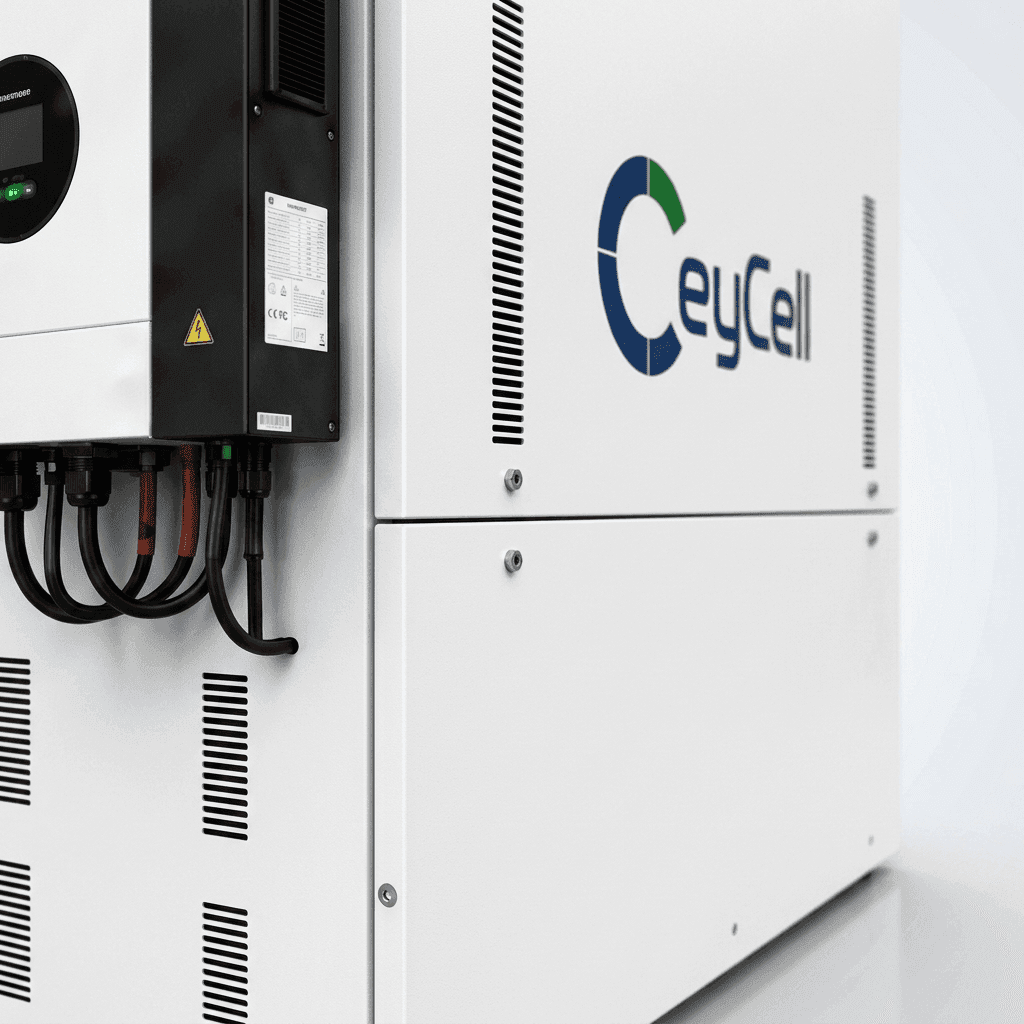
Fully sealed
A sealed steel enclosure, closed to the room.
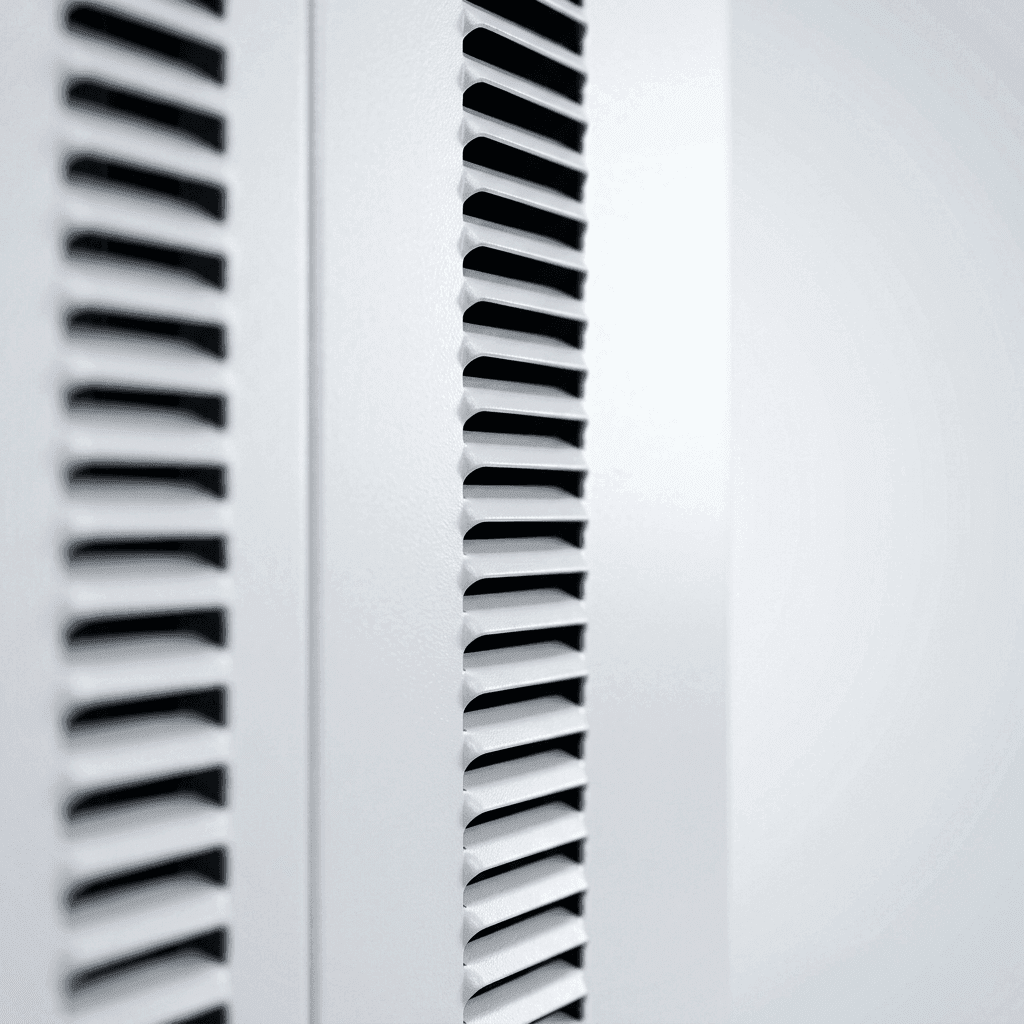
Passive cooling
No fans, no pumps to fail.
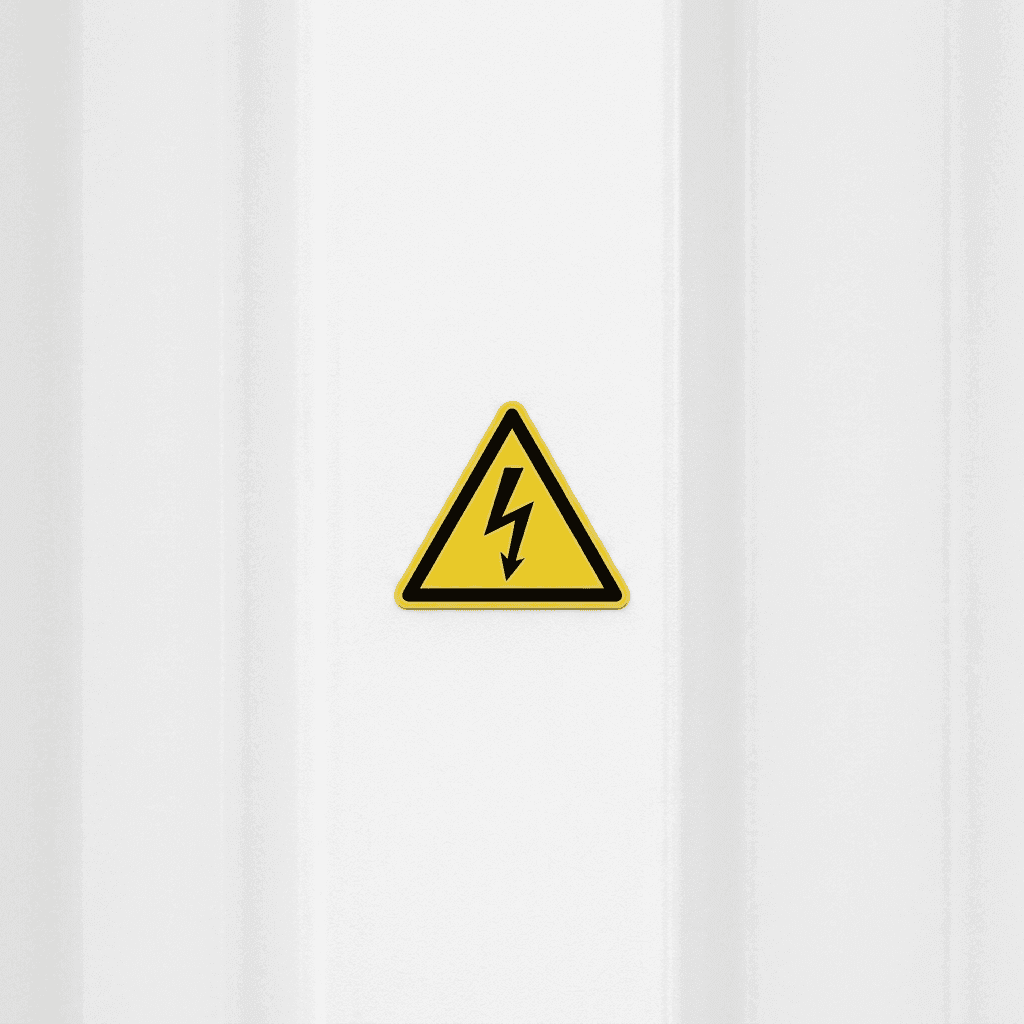
Clearly labelled
Standard high-voltage service warnings.
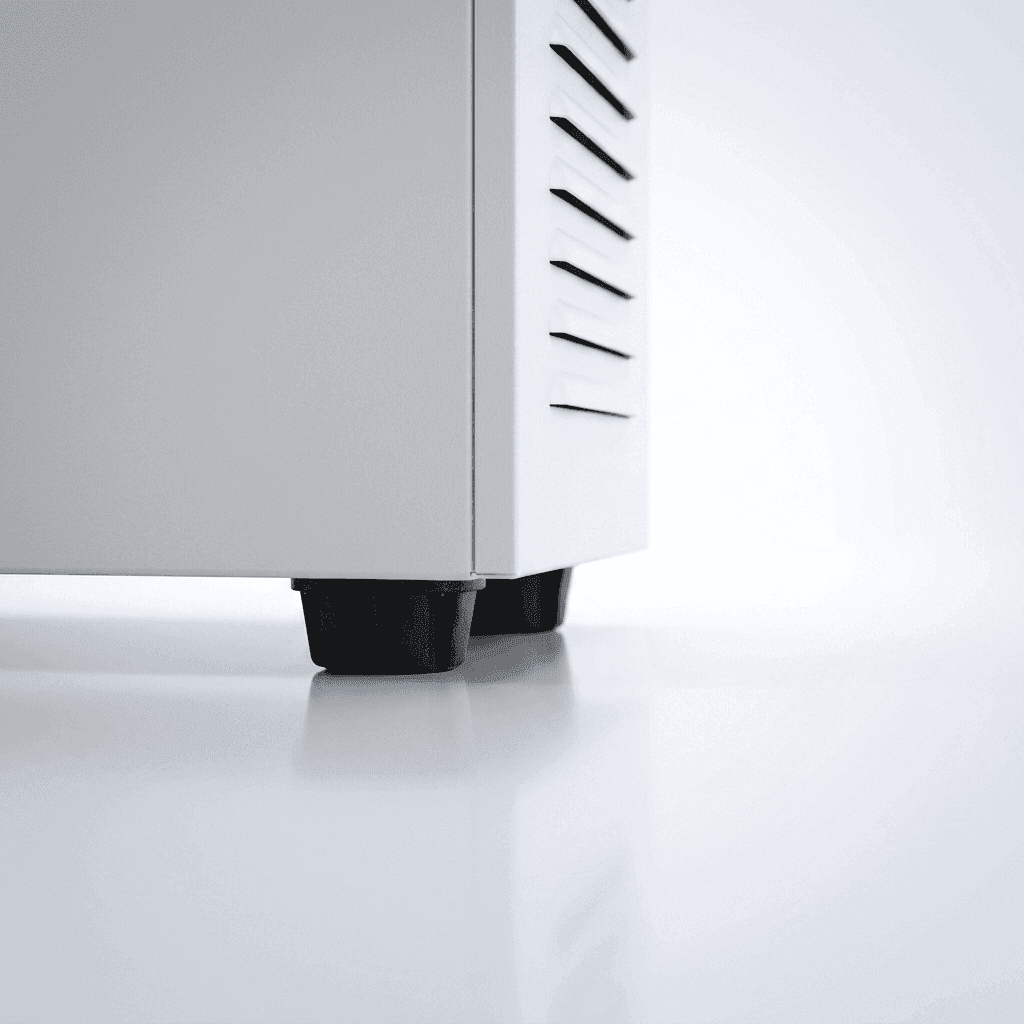
Built to last
Built to run in one place, year after year.
On Forever
Talk to us about where it would go
A free site visit checks your home and fits the right system for where it will live.